

It seems Mark Zuckerberg has been on another shopping spree, but this time he hasn’t bought a buzzy social network. Instead, he’s picked up a small startup called Limitless, a company you’ve likely never heard of. So, why should you care? Because this quiet little acquisition speaks volumes about Meta’s grand and somewhat desperate plan to finally break free from the hardware shackles of Apple and Google.
For years, Meta has been a tenant living in a world built by its rivals. Facebook, Instagram, WhatsApp—they all run on operating systems and devices controlled by others. This acquisition is yet another breadcrumb on the trail leading to Meta’s ultimate goal: owning the next computing platform. It’s not just about a cool new gadget; it’s about controlling the entire hardware ecosystem, and the Meta AI wearable strategy is the key to unlocking that kingdom.
What is Meta’s Real Game Plan?
Let’s be clear: Zuckerberg is haunted by the ghost of the smartphone. He missed it. He was late to the party and has spent the last decade paying rent to Apple and Google in the form of app store fees and platform restrictions. He is pathologically determined not to let that happen again with what he sees as the next two major shifts: the metaverse and ambient AI. They sound different, but in Meta’s vision, they are two sides of the same coin.
The vision is for a world where technology is all around us, not just on a screen we pull from our pocket. This isn’t a new idea, but Meta’s approach is to build the physical gateways to this world. Think smart glasses that overlay digital information onto the real world, and discrete AI assistants that listen and help you navigate your day. This is where the purchase of Limitless, as reported by the Financial Times, fits so perfectly. They make a small, wearable AI pendant designed to record and transcribe your meetings. It’s a simple, single-purpose device, but it’s a crucial piece of the peripheral computing puzzle.
Building the Everything-Ecosystem
So, what exactly is a hardware ecosystem? Think of it like a well-drilled football team. Each player has a specific role—the striker, the defender, the goalkeeper—but they all work together seamlessly under one strategy to win the match. Apple is the master of this. Your iPhone, Apple Watch, and AirPods aren’t just separate devices; they are a single, interconnected experience. That’s the magic, and it’s a powerful moat that keeps customers locked in.
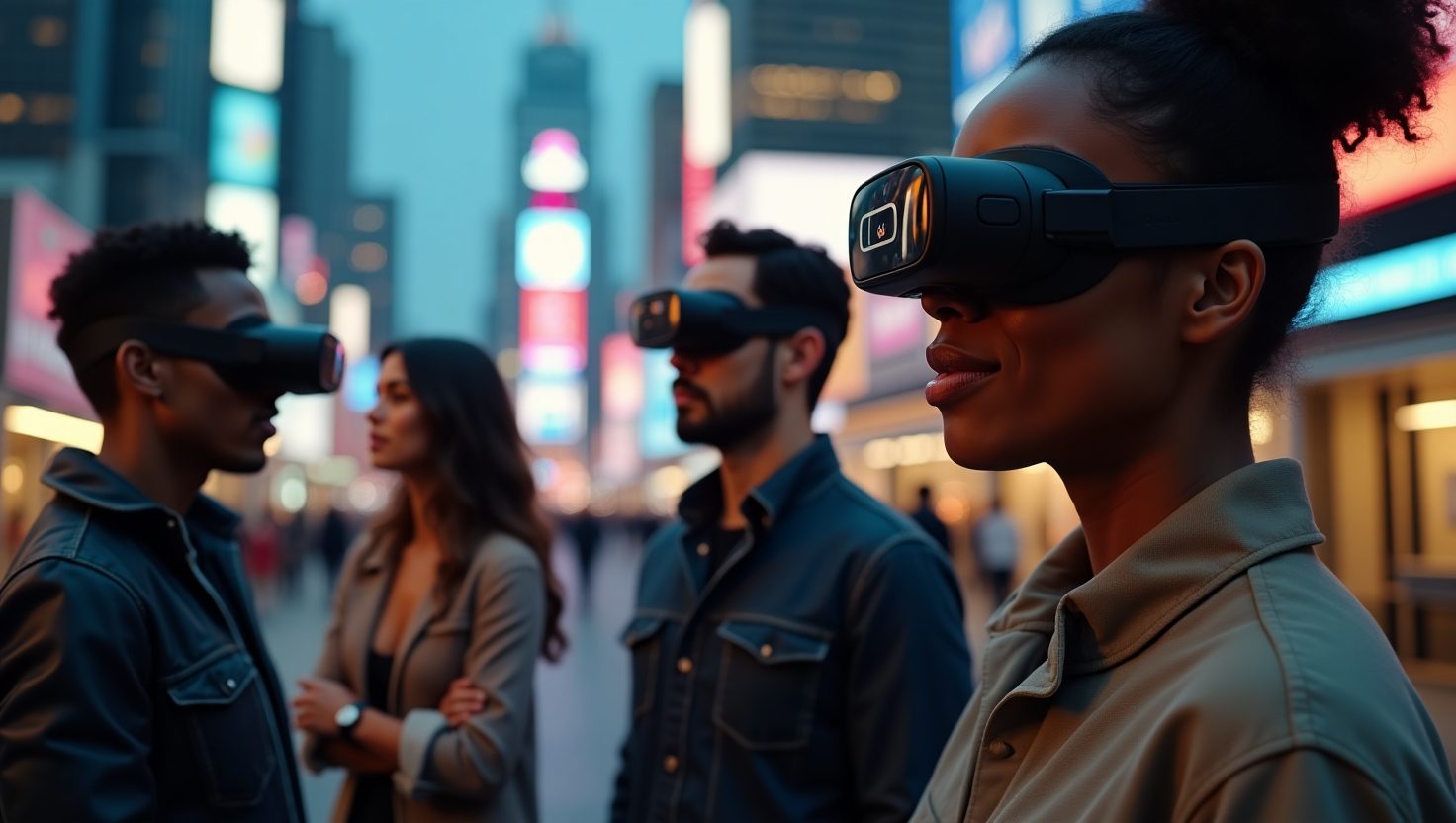
Meta wants its own team. The Quest VR headset is the star striker, a powerful, immersive device. The Ray-Ban Meta smart glasses are the nimble wingers, capturing moments on the go. Now, with Limitless, they’ve just signed a specialist midfielder—a device focused on a specific task like productivity. The ultimate goal of the Meta AI wearable strategy is to have a whole squad of consumer devices that work in perfect harmony, all powered by Meta’s own AI.
This isn’t just about creating convenience; it’s a strategic necessity. By building its own hardware, Meta can control the user experience from end to end. More importantly, it can bypass the gatekeepers and their dreaded 30% tax. Every piece of hardware sold is another user pulled directly into Meta’s world, a world where Meta makes the rules.
The Whisper of Ambient Intelligence
The secret sauce that makes this all work is a concept called ambient intelligence. It sounds like something from a science fiction film, but the idea is quite simple. Ambient intelligence is technology so deeply integrated into your environment and your life that it becomes invisible. It anticipates your needs without you having to ask, operating quietly in the background.
Imagine walking into your home office for a video call. The lights automatically adjust to the perfect brightness, your computer logs in, and a summary of your last meeting on the topic appears on the screen. You didn’t command it to do anything; it just knew. That’s the promise of ambient intelligence.
Meta’s plan is to use its family of wearables as the sensors for this system. The smart glasses see what you see, and the Limitless-style pendant hears what you hear. All this data is fed into Meta’s AI, which then orchestrates a helpful response. It’s an ambitious vision, a world away from simply asking a smart speaker for the weather. It’s about creating a truly personal and predictive computing experience.
Are We Ready for AI Everywhere?
The wearable technology market is littered with the corpses of ambitious failures. Remember the spectacular implosion of the Humane Ai Pin and the lukewarm reception of the Rabbit R1? They serve as a stark warning: having a clever idea isn’t enough. The product has to work flawlessly, be socially acceptable, and, most importantly, solve a real problem for the user.
Meta seems to be taking a more patient, piece-by-piece approach. Instead of launching one “iPhone killer,” it is slowly building out its hardware ecosystem, product by product, learning as it goes. The Ray-Ban glasses weren’t a runaway success, but they taught Meta invaluable lessons about what people will and will not wear on their face. This most recent acquisition suggests they are now focusing on smaller, less intrusive form factors.
So, what’s next? Don’t be surprised to see Meta-branded rings, earrings, or other subtle wearables appear over the next few years. Each will be another node in the network, another data point for the AI, another step towards the ultimate vision of invisible, ambient intelligence.
Of course, this all leads to the giant, flashing-red-light question: privacy. Are we really comfortable giving one company—a company with a chequered history on data privacy, no less—access to an always-on microphone and camera that follows us everywhere? Meta is betting that if the convenience is great enough, we will say yes. That’s a massive gamble, both for them and for us.
The acquisition of Limitless is a small but telling move on a very large chessboard. It confirms that the Meta AI wearable strategy is not just a side project; it’s central to the company’s fight for future relevance. The war for the next great computing platform is well underway, and it won’t be fought on screens, but on our bodies.
The question is, are you ready to enlist? Or is this an ecosystem you’d rather stay out of? Let me know your thoughts.



