

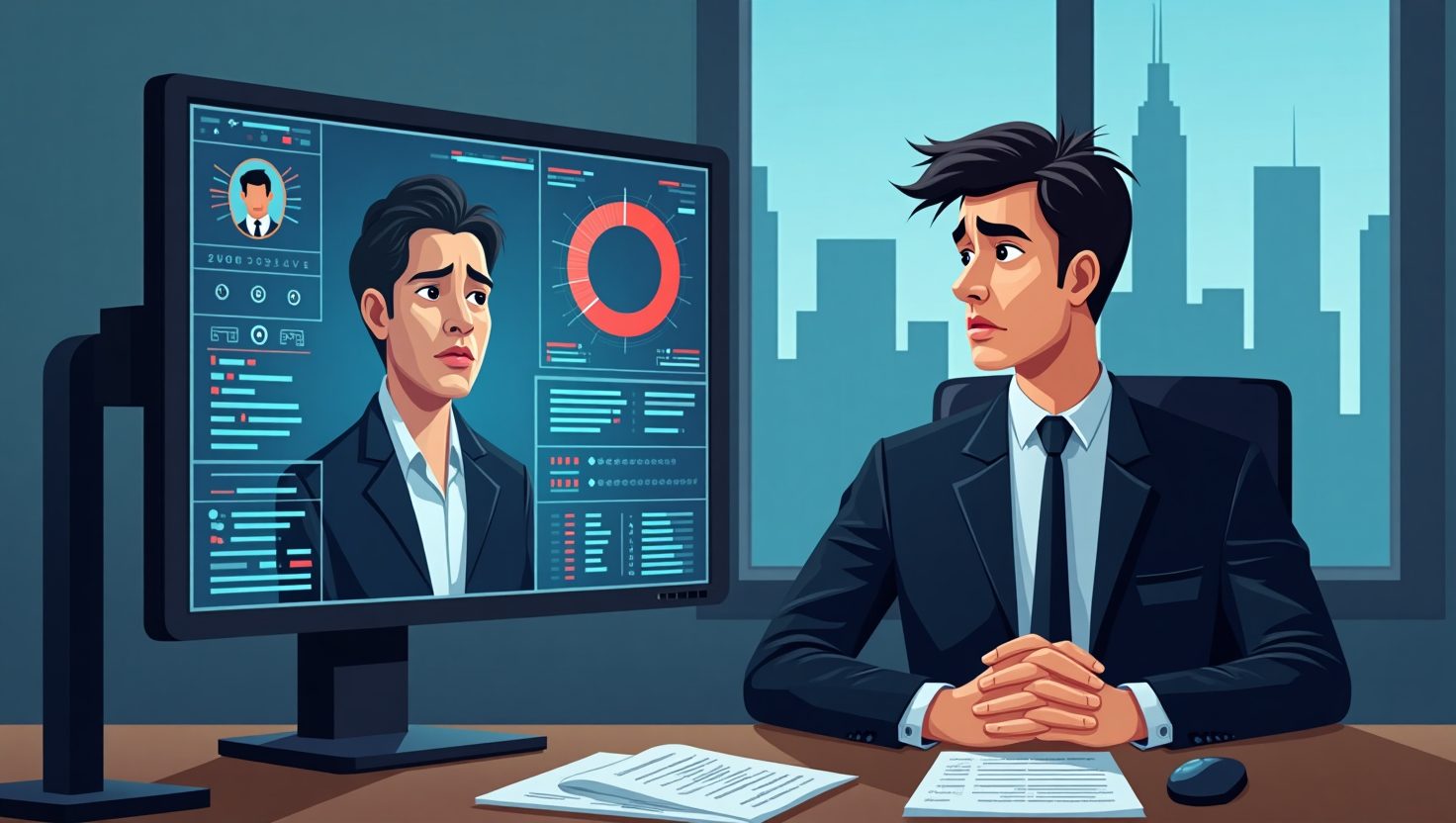
When Seeing Isn’t Believing: The Deepfake Dilemma
Let’s cut through the jargon: deepfakes are Photoshop for the video age, powered by generative AI that can swap faces, clone voices, and fabricate scenarios with Hollywood-grade realism. Where early versions required technical expertise, platforms like DeepFaceLab now let amateurs create convincing forgeries in hours. The FTC reports synthetic identity fraud losses hit $2.5 billion in 2024 alone – a figure that’ll look quaint once deepfakes democratise financial fraud.
Consider the case of a UK energy firm that transferred £200,000 after a video call with what appeared to be its CEO. The twist? The executive was AI-generated. Or the political ads using deepfaked candidates to spout inflammatory rhetoric they never uttered. These aren’t hypotheticals; they’re today’s attack vectors.
Biometrics: The Digital Immune System
Here’s where it gets interesting. While deepfakes exploit our trust in audiovisual evidence, the countermeasures borrow from nature’s playbook. Biometric authentication systems – think facial recognition that analyses micro-muscle movements or voice ID that detects subsonic vocal cord vibrations – act like digital immune systems. They’re evolving to spot the “genetic mutations” in synthetic media.
Take Mastercard’s “selfie pay” system, which combines liveness detection with 3D mapping to block deepfake spoofs. Trials show a 98% success rate in thwarting synthetic identity fraud attempts. But here’s the rub: as detection improves, so do the forgeries. It’s an arms race where the bullets are algorithms and the battlefield is your smartphone camera.
California’s Regulatory Moonshot
Enter AB 2602 – California’s attempt to build guardrails on the AI autobahn. The legislation doesn’t tinker around edges; it redefines the game. By 2026, any AI-generated content circulating in California must carry digital watermarks – think nutritional labels for media. Training datasets for models exceeding 10²⁶ FLOPS (translation: the brainpower behind tools like ChatGPT-5) must be publicly disclosed.
For enterprises, compliance isn’t optional theatre. The law creates a two-tier market:
– First movers like Microsoft and Adobe already baking watermarking into tools like Content Credentials
– Stragglers facing existential risks – imagine class actions over unmarked deepfake ads
The financial stakes? Non-compliant companies risk fines up to 7% of global revenue. For a tech giant, that’s boardroom-erasing territory.
Forensic Tools: The New Cybersecurity Stack
Media forensics tools are becoming the antivirus software of the 2020s. Startups like Truepic offer “camera-to-cloud” verification that timestamps and geotags content at capture. Adobe’s Content Credentials attach edit histories like carfax reports for images. But here’s the kicker: these tools aren’t just defensive measures.
Companies leveraging them gain:
– Consumer trust premiums (67% pay more for verified content per Deloitte)
– Regulatory first-mover advantage in global markets mirroring California’s rules
– IP protection through immutable content provenance
The alternative? Becoming the next viral deepfake victim – a reputational Chernobyl that no crisis PR firm can contain.
The Compliance Dividend
There’s a cynical take brewing in some boardrooms: “Why spend millions on deepfake prevention when our competitors aren’t?” California’s answer is brutal in its simplicity. AB 2602’s phased implementation (2025-2027) gives ethical AI developers time to monetise compliance. Early adopters can:
1. License detection tools to laggards
2. Upsell verified content platforms
3. Dominant markets where regulators adopt California’s template
Meanwhile, companies clinging to opaque AI practices face death by a thousand compliance cuts – from discriminatory hiring algorithm lawsuits to deepfake disinformation scandals.
The Future Isn’t Waiting
As California goes, so goes the nation. 23 states are drafting copycat legislation, while the EU’s AI Act borrows AB 2602’s watermarking mandates. The message is clear: synthetic media is the new asbestos. Enterprises that build ethical AI infrastructure today will dominate; those that don’t will litigate.
So here’s the billion-dollar question: When your customers can’t tell real from AI, what will your truth premium be? The answer might determine whether your brand becomes a benchmark or a cautionary tale.
Sources: [California AI Legislation Overview, FTC Synthetic Identity Fraud Report 2023]
Food for thought: If your board hasn’t discussed deepfake mitigation strategies this quarter, what exactly are they signing off on in those video meetings?



