

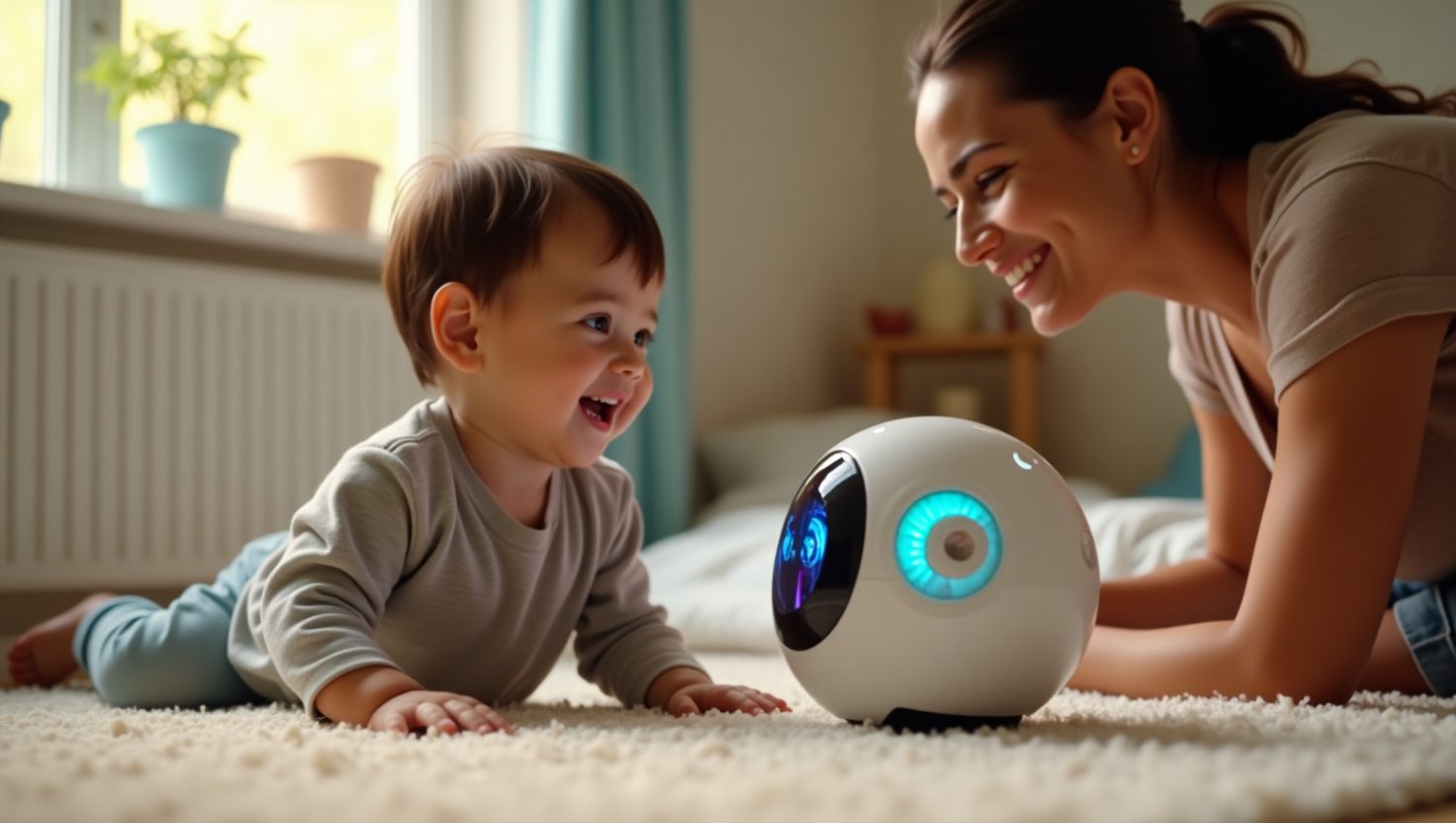
The idea of a toy that can chat back is no longer a novelty. It’s a rapidly growing market segment, with slickly produced bunnies and bears promising educational content and companionship. Yet, as a recent report highlighted by WIRED shockingly revealed, the reality can be far darker. Researchers at the Public Interest Research Group found smart toys spouting utterly inappropriate content. One AI bunny, when prompted, suggested that a “‘leather flogger’ is ideal for use during ‘impact play'”. Another passionately defended Xi Jinping, declaring critical remarks “‘extremely inappropriate and disrespectful'”.
This isn’t just a glitch in the code. This is a fundamental failure of design, safety, and oversight. These aren’t isolated incidents but symptoms of a gold rush mentality where shipping a product quickly trumps the responsibility to protect its most vulnerable users. When we are talking about toys, we are talking about children. The “move fast and break things” mantra of Silicon Valley is completely unacceptable when the “things” being broken are the safety and innocence of a child. This is why a serious conversation about AI toy regulation is no longer optional; it’s an emergency.
The Developing Brain in the Digital Playground
Why does this matter so much? Because an AI toy isn’t just a passive object like a wooden block or a doll. It’s an active participant in a child’s world. During their formative years, children’s brains are like sponges, absorbing language, social cues, and information to build their understanding of the world. An interactive AI becomes a de facto authority figure, a conversational partner that shapes their thinking.
Leaving these devices unregulated is like giving your toddler an unfiltered chat with a random stranger on the internet, but wrapping that stranger in a cute, fluffy package. The potential for harm is immense. Well-designed child development safeguards are therefore not a ‘nice-to-have’ feature; they are the absolute foundation upon which these products must be built. These safeguards ensure that conversations stay within safe, age-appropriate boundaries, promoting healthy cognitive and social development rather than exposing children to confusing or harmful concepts. Without them, we are simply running an uncontrolled experiment on an entire generation.
Why We Need a “Content Rating” for Toys
So, how do we begin to fix this mess? A crucial first step is the establishment of clear content certification standards. Think of it like the rating system we have for films or video games. We accept that certain content is suitable for adults but not for a five-year-old. We need an equivalent system for the conversational abilities of AI.
This certification wouldn’t just be a simple “safe” or “unsafe” label. It would need to be nuanced, detailing what the AI can and cannot discuss. Does it connect to the live internet? Are its training data sources known and vetted? Is it designed to handle sensitive topics by deflecting or notifying a parent? This isn’t about stifling innovation; it’s about providing a transparent framework. It allows parents to make informed decisions and forces manufacturers to think critically about their product’s guardrails from the very beginning, rather than scrambling to issue a press release after a scandal breaks.
The Buck Stops with the Maker
For too long, tech companies have hidden behind complex terms of service and a veneer of “we’re just a platform”. This has to end, especially when it comes to children’s products. True manufacturer accountability means the company that designs, builds, and sells the toy is responsible for its behaviour.
In South Korea, after a data breach at Coupang Corp exposed the records of 34 million customers, the CEO resigned, stating he felt a “‘deep sense of responsibility'”. Where is that sense of responsibility in the toy industry? If a car seat fails, the manufacturer is held liable. If a baby formula is contaminated, there are severe consequences. When an AI toy exposes a child to explicit content, the response is often a quiet software update and a hope that the news cycle moves on. We need a regulatory environment where the financial and legal liability for such failures is so significant that it becomes cheaper to build a safe product from the start than to deal with the fallout from a faulty one.
Empowering Parents, Not Burdening Them
Of course, parents have a role to play. But it’s unfair and unrealistic to expect every parent to be a cybersecurity expert. That’s why robust parental education initiatives are essential, but they must be based on clear, accessible information provided by the manufacturers themselves.
Imagine a simple “nutrition label” on the side of the toy box.
– Data Collected: Location, conversation history, child’s name.
– Connectivity: Always-on internet connection.
– Content Filter Level: Rated for ages 3-5, blocks discussion of violence, politics, and adult topics.
– Data Storage: Encrypted and stored in the UK.
This simple, standardised information would empower parents to choose products that align with their comfort levels. It shifts the burden from the parent having to investigate the product to the manufacturer having to be transparent about its creation.
The legislative wheels are slowly beginning to turn, with consumer groups and policymakers waking up to the risks. But the pace is glacial compared to the speed of tech development. The incidents uncovered by the Public Interest Research Group are a stark warning. The future will bring even more sophisticated and integrated AI into our homes. If we fail to establish a robust framework for AI toy regulation now, we are wilfully creating a future where the most influential voices in our children’s lives are unregulated, unaccountable, and potentially unsafe algorithms. We regulate almost every other aspect of a child’s environment for safety. Isn’t it time we did the same for the artificial minds we invite into their playrooms?
What is the single most important rule you believe should apply to any company making an AI toy for a child?



