

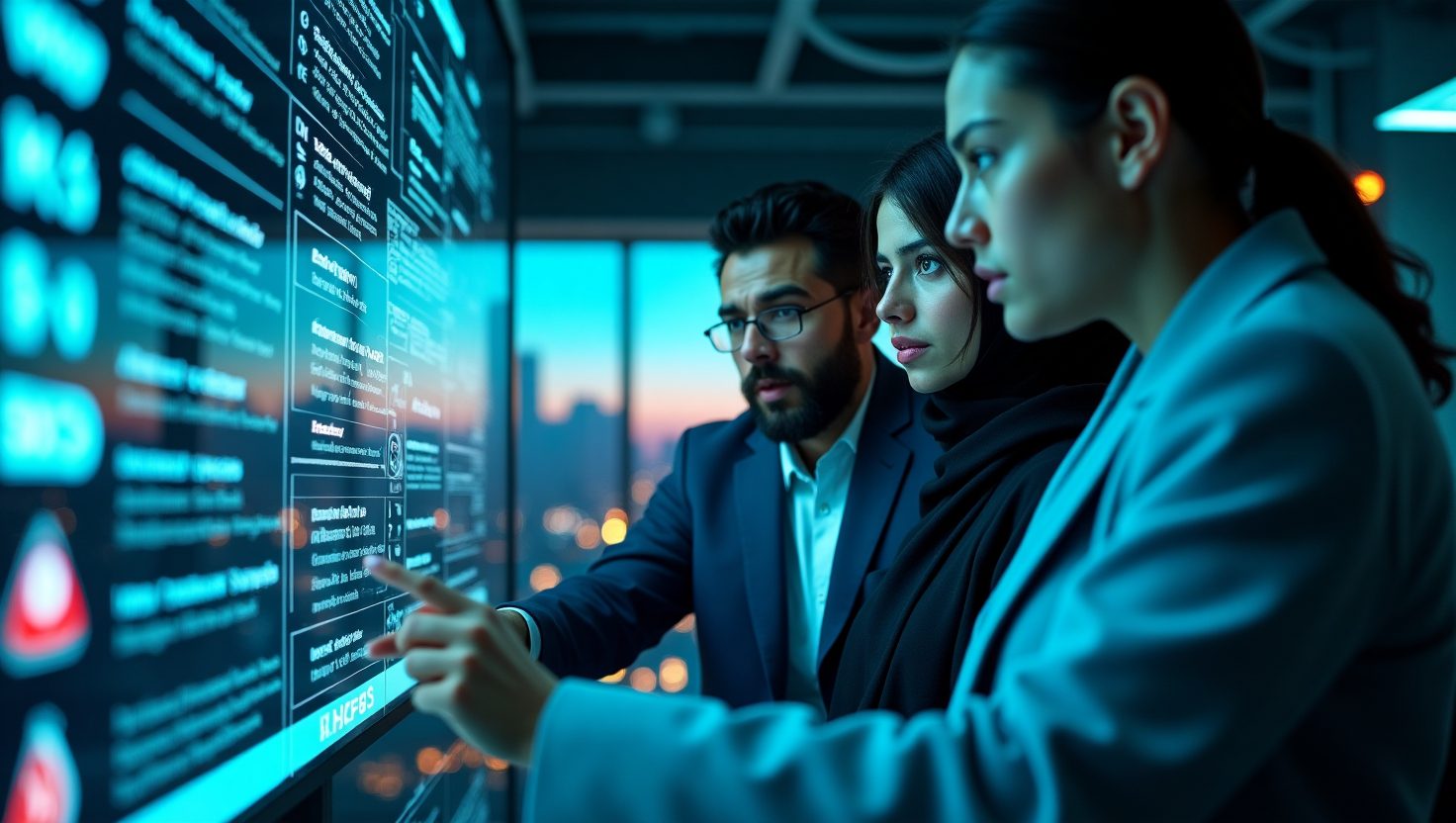
The New Counterfeiters: AI’s Role in a Post-Truth World
So, how did we get here? Think of it like counterfeit currency. In the past, creating convincing fakes was expensive and required specialised skill. Now, AI models are like a printing press for lies, available to anyone with an internet connection. They can generate images, videos, and text that are frighteningly realistic, flooding our information ecosystem with junk. This isn’t about simple photo editing; it’s about creating entirely new realities.
The recent work by the BBC’s Verify team throws this into sharp relief. Take the tragic Bondi Beach stabbing in Australia. Almost immediately, AI-generated images began circulating, falsely depicting victims and fabricating motives. A fake Facebook profile was spun up to wrongly paint the attacker as Jewish, an obvious attempt to ignite antisemitic hatred. As Arsen Ostrovsky, a subject of one of these fabricated images, stated, “I saw these images as I was being prepped to go into surgery and will not dignify this sick campaign of lies and hate with a response.” This isn’t just misinformation; it’s the weaponisation of tragedy for malicious ends.
This same pattern emerges in conflict zones and public health crises. Whilst the BBC were verifying genuine footage of a Ukrainian sea drone crippling a Russian submarine—with analysts from Janes confirming the vessel’s propulsion system was likely destroyed—they were also debunking AI fakes. It’s a constant, exhausting game of whack-a-mole where the real news has to fight for air against a tidal wave of algorithmically generated nonsense.
Why This Matters: The Collapse of Trust
What’s the real cost of all this? It’s not just about being tricked by a single fake image. The larger, more corrosive effect of persistent AI disinformation is the complete erosion of trust. When we can’t believe our own eyes, we start to doubt everything, including credible news sources, scientific data, and government announcements. The ultimate goal of many disinformation campaigns isn’t to make you believe a specific lie, but to make you believe nothing is true.
This has terrifying consequences for public safety. The BBC’s report also touched on fact-checking claims about fentanyl deaths in the US. The article cites a provisional CDC figure of 42,233 overdose deaths involving synthetic opioids (other than methadone) for the 12-month period ending in April 2025. When the information space is polluted with conspiracies and fake news, it becomes incredibly difficult to have a rational public conversation about how to tackle such a crisis. How do you implement life-saving policies when a significant portion of the population has been convinced the problem itself is a hoax?
The Resistance: A New Era of Media Verification
If AI is the weapon, then a new kind of defence is needed. This is where the concepts of media verification and digital forensics move from the backrooms of intelligence agencies to the frontlines of journalism. Think of it as a digital detective squad, one that’s becoming an essential function for any news organisation that wants to be taken seriously.
Digital Forensics: The Sleuths of the Screen
Digital forensics is no longer just for criminal investigations. It involves a suite of techniques to analyse the DNA of a piece of content. Investigators look for tell-tale signs of AI generation: inconsistencies in lighting and shadows, unnatural patterns in the background, or artefacts in the data itself (the file’s metadata). It’s a cat-and-mouse game, as AI models get better at hiding their tracks, and the tools to detect them must constantly evolve.
These verification teams use a combination of high-tech tools and old-fashioned journalistic rigour.
– Reverse Image Search: A basic but crucial first step to see where an image has appeared before.
– Geolocation: Using satellite imagery and open-source maps to confirm if a video or photo was taken where it claims to have been.
– Expert Analysis: Consulting specialists, as the BBC did with naval analysts from Janes and Maiar, to validate the details of an event like the submarine attack.
Our Collective Responsibility: Truth Preservation
This fight isn’t just for journalists. The preservation of truth—or truth preservation, as it should be known in this era—is a responsibility we all share. Allowing our information streams to become hopelessly polluted is a path towards societal breakdown. So, what can be done?
Strategies for the Digital Citizen
For individuals, it starts with a healthy dose of scepticism and a few practical habits.
– Pause Before You Share: The primary goal of disinformation is to provoke an emotional reaction. That outrage or shock is what fuels its spread. Take a breath and check the source.
– Look for the Byline: Is the information coming from a reputable news organisation with a history of accountability and a public corrections policy? Or is it from an anonymous account with a suspicious name?
– Triangulate Your Sources: Don’t rely on a single headline from your social media feed. If a major event has happened, check multiple, credible news outlets to see how they are reporting it.
The role of education here cannot be overstated. We need to teach critical thinking and digital literacy from a young age. Just as we teach children to look both ways before crossing the street, we must teach them how to navigate the treacherous intersections of the digital world. This is the long-term investment in building a resilient and informed public.
The Road Ahead
The rise of AI disinformation represents a fundamental challenge to how we communicate and govern ourselves. The work of dedicated teams like BBC Verify is critical, but it’s a defensive measure against a problem that is scaling at a dizzying pace. The real solution will require a combination of technological innovation in detection, regulatory pressure on the social media platforms that amplify this content, and a profound cultural shift in how we consume information.
We need to start asking tougher questions. What responsibility do the creators of these powerful AI models have for their misuse? And when will the platforms that profit from engagement finally be held accountable for the pollution they allow to fester?
What steps are you taking to verify the information you see online?



