

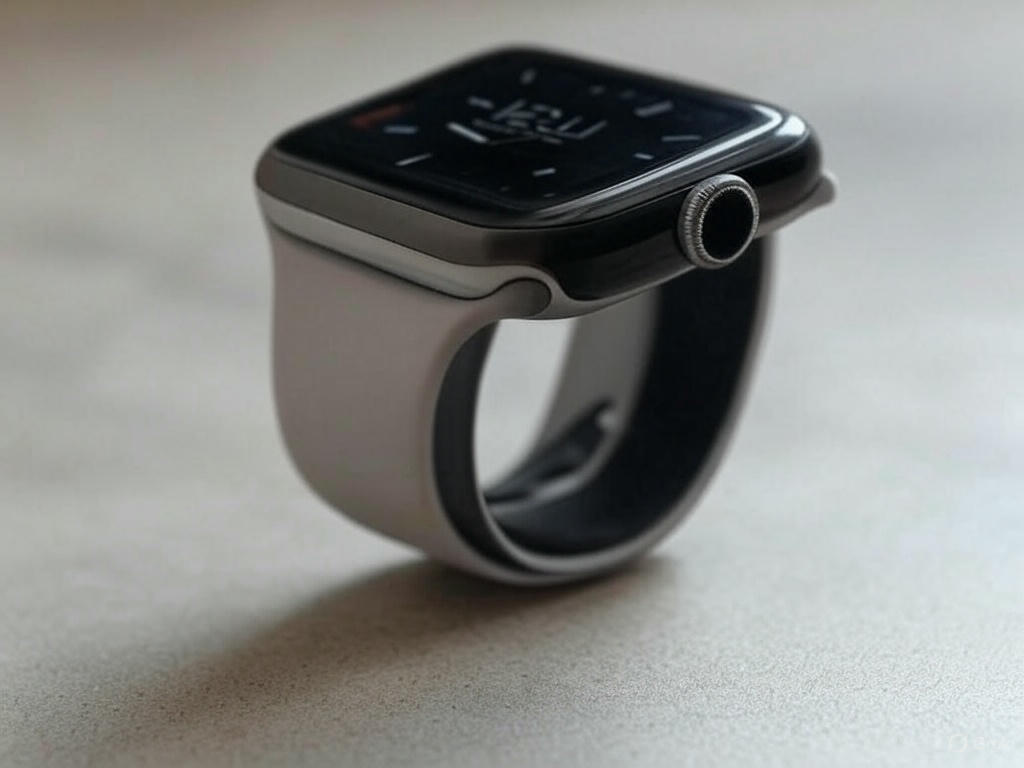
Cupertino is buzzing with whispers – not of new iPhones, but of a radical reimagining of the humble smartwatch. Yes, you heard it right. Apple, the tech giant synonymous with sleek design and user-friendly interfaces, is reportedly exploring turning its iconic Apple Watch into a wrist-worn, artificially intelligent powerhouse, potentially equipped with a camera. This isn’t just about fitness tracking anymore; we’re talking about a future where your watch could become a miniature, independent AI companion.
The Wrist Revolution: Apple’s AI Ambitions for the Watch
For years, the smartwatch has been tethered to the smartphone, a convenient extension rather than a standalone device. But sources within Apple, as reported by Mark Gurman at Bloomberg, suggest that the company is actively investigating ways to unshackle the Apple Watch and imbue it with true intelligence. Imagine a world where your watch isn’t just displaying notifications from your phone but proactively anticipating your needs, offering contextual information, and even performing complex tasks independently. This is the tantalizing vision Apple is chasing.
Beyond Notifications: A Glimpse into the AI-Powered Apple Watch of Tomorrow
What exactly does this AI-driven future for the Apple Watch look like? Think beyond simple voice commands and fitness metrics. We’re talking about a device that could leverage on-device processing and advanced machine learning models to understand your context, predict your intentions, and offer assistance in ways we currently rely on our smartphones for.
One of the most intriguing possibilities being explored is the integration of a camera. While seemingly a minor addition, a camera could unlock a plethora of new functionalities. Imagine taking quick photos discreetly from your wrist, engaging in video calls without needing your phone, or even utilizing augmented reality applications directly on your watch screen. This could fundamentally change how we interact with wearable technology and blur the lines further between our physical and digital lives.
But why this push towards AI and greater independence for the Apple Watch now? The answer likely lies in the evolving landscape of personal technology. Smartphones, while incredibly powerful, are also becoming increasingly ubiquitous and, dare we say, a bit cumbersome. The promise of wearable AI is to offer similar levels of utility and information access in a more convenient, always-on, and less intrusive form factor.
Overcoming the Hurdles: Miniaturization, Battery Life, and User Experience
Of course, transforming the Apple Watch into a true AI-powered device is not without its significant challenges. Miniaturization is paramount. Fitting powerful processors, advanced sensors, and potentially a camera into the already compact form factor of a smartwatch is a feat of engineering. Then there’s the ever-present issue of battery life. More processing power and advanced features inevitably demand more energy. Apple engineers will need to find innovative solutions to ensure that these AI ambitions don’t come at the expense of all-day battery life, a crucial aspect of smartwatch usability.
Beyond the technical hurdles, there are also crucial user experience considerations. How do you interact with a complex AI system on a tiny watch screen? Will voice control become even more central? Will new haptic feedback mechanisms be needed to navigate menus and information? Apple’s legendary focus on user-friendliness will be put to the test as they navigate these design challenges.
The Competitive Landscape: Apple’s Move to Stay Ahead
Apple isn’t operating in a vacuum. The wearable tech market is becoming increasingly competitive, with rivals like Samsung, Google, and others also vying for dominance. By pushing the boundaries of smartwatch functionality with AI, Apple is likely aiming to solidify its leadership position and differentiate itself from the pack. This move towards wearable AI could be a strategic imperative to maintain its edge in the rapidly evolving tech landscape.
The current limitations of smartwatch functionality are also a driving factor. While current smartwatches excel at fitness tracking and basic notifications, their capabilities often feel constrained.
Apple is clearly looking to address these limitations head-on. By embedding more powerful AI capabilities directly into the Apple Watch, they are aiming to create a truly independent and versatile device. This could potentially transform the smartwatch from a secondary screen to a primary computing interface for many tasks.
The Long Game: Wearable AI and the Future of Personal Computing
Apple’s exploration of AI-powered smartwatches is not just about incremental improvements to existing devices. It signals a potentially significant shift in how we think about personal computing. The smartphone era has been dominant for over a decade, but the future may well be wearable. Imagine a world where we interact with information and technology primarily through discreet, intelligent devices worn on our bodies, rather than constantly pulling out our phones.
This vision is still years away, and many technological and user experience challenges need to be overcome. But Apple’s reported interest in this direction is a strong indicator that wearable AI is not just a futuristic fantasy, but a serious area of innovation and development within the tech industry. The journey from today’s notification-centric smartwatches to truly intelligent, independent wearable AI companions is likely to be a long and fascinating one. And as we look towards the horizon, towards a future where technology seamlessly integrates into our lives, perhaps starting right from our wrists.
What do you think about the prospect of an AI-powered Apple Watch with a camera? Is this the natural evolution of wearable technology, or are there potential downsides to packing even more technology onto our wrists? Share your thoughts in the comments below!



