

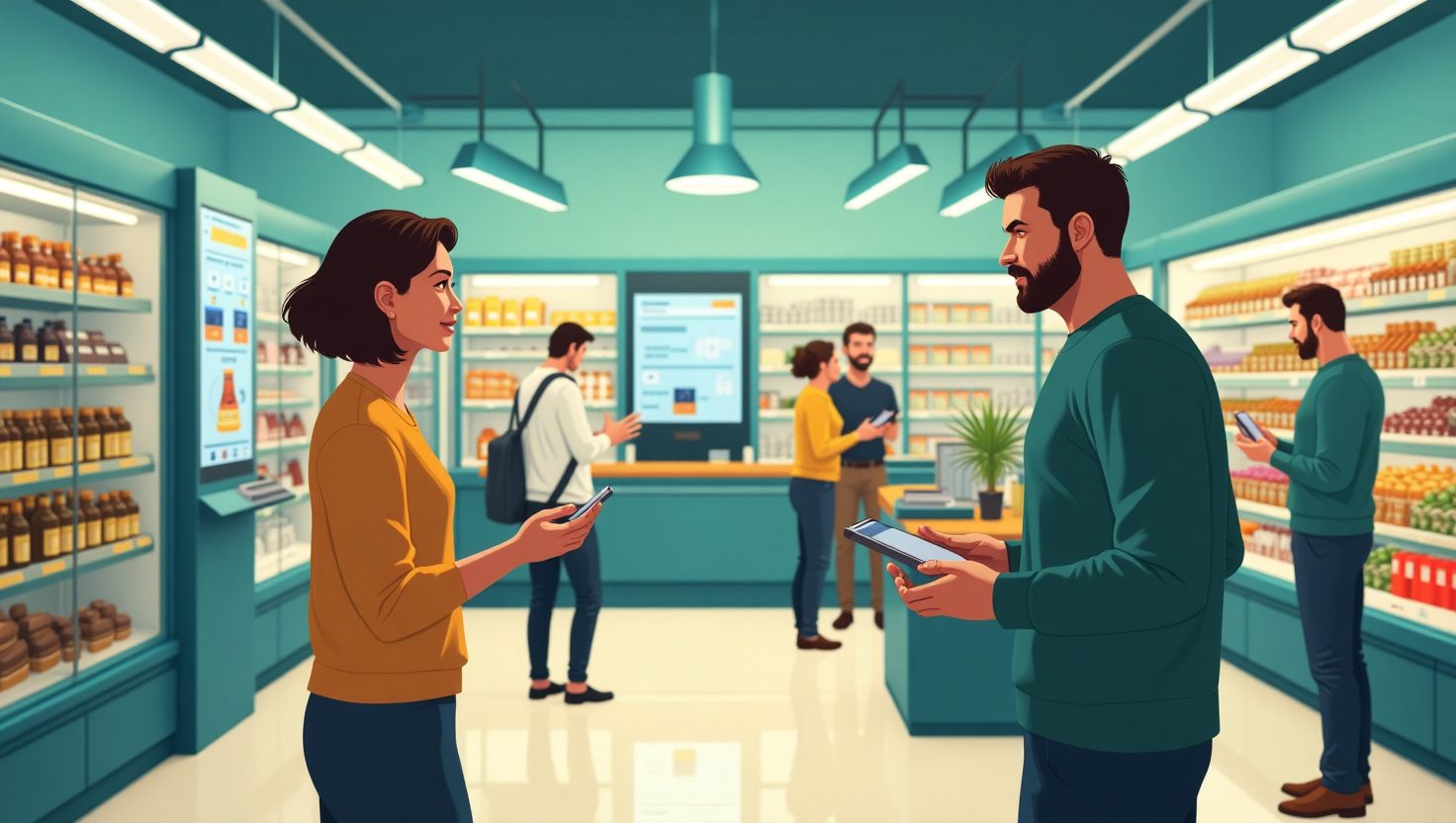
The weekly grocery shop. For many, it is a necessary chore, a recurring grind of list-making, aisle-wandering, and decision fatigue. It’s a friction point in our busy lives that we have simply come to accept. But what if the most tedious part—turning a vague idea or a scribbled list into a basket of goods—could be done not in minutes, but in seconds? This is not some far-off dream; it is the new battleground for on-demand delivery giants, and the weapon of choice is retail AI innovation.
Uber, a company that knows a thing or two about aggregating demand and dispatching services, has just fired its latest shot. It is a move that signals a deeper strategic play than merely making your takeaway arrive faster. The grocery war is on, and it is being fought with algorithms.
What is This Retail AI Everyone’s Talking About?
When we talk about retail AI innovation, it is easy to get lost in buzzwords. At its core, it is about using machine learning to fundamentally re-architect the relationship between a retailer (or, in this case, a platform) and the consumer. For decades, retail has been reactive. You went to the shop, you searched for what you wanted, and you bought it. The internet made the shop a website, but the model was largely the same.
AI changes this entirely. It shifts the dynamic from a reactive model to a predictive and proactive one. The platform no longer just serves your explicit requests; it begins to anticipate your needs. This is about more than just a slick user interface. It is about building a system that understands consumer behavior so deeply that it can remove friction you did not even realise was there. The goal? To become the indispensable operating system for your daily commerce.
The New Arms Race: Automated Shopping and Personalization
This brings us to the current skirmishes we are seeing between the major players. The latest trend is for automated shopping assistants. Instacart has one, DoorDash has DashAI, and now Uber Eats has entered the fray with its ‘Cart Assistant’. As reported by TechCrunch, this new feature, currently in beta, allows users to upload a photo of a handwritten list, a screenshot of a recipe, or simply text a list of items. The AI then does the grunt work, populating the shopping cart automatically.
This is table stakes, a baseline feature for convenience. Where the real strategic value lies, however, is in commerce personalization.
Think of it like this: a generic search bar is like asking a random shop assistant where the milk is. They will point you in the right direction. A truly intelligent AI assistant, on the other hand, is like a personal shopper you have worked with for years. It knows you prefer oat milk, that you buy the two-litre carton every Tuesday, and that based on your past orders, you might also be running low on the coffee beans you always buy with it. That is the difference between simple utility and habit-forming loyalty.
Uber Eats’ Cart Assistant: A Strategic Analysis
On the surface, Uber’s Cart Assistant does what you would expect. Praveen Neppalli Naga, Uber’s VP of Product, stated, “Users were telling us they wanted a quicker way to shop… Cart Assistant helps you get from idea to checkout in seconds.” The technology is clever, using image and text processing to decipher your shopping needs and then cross-referencing with your order history to suggest the specific brand of ketchup or type of bread you usually buy.
– Automatic Cart Building: Takes a text list or an image of a list and adds the items.
– Personalized Suggestions: Uses your purchase history to select the exact products you prefer.
– Easy Swaps: Allows you to quickly swap items or brands before checkout.
This is a necessary catch-up move. Instacart and DoorDash have already made inroads here, with DoorDash even integrating its DashAI with ChatGPT for menu recommendations. However, Uber has a potential ace up its sleeve: the Uber ecosystem. The real power could be unlocked when the data from your Uber rides, Uber Eats orders, and now grocery lists are combined. Imagine an AI that knows you have just landed at the airport from a business trip and suggests ordering groceries for an easy dinner, knowing your fridge is likely empty.
This is the bigger picture for all retail tech platforms. The business model is not just about the margin on a pint of milk. It is about owning the customer relationship and becoming the default gateway for a huge slice of their discretionary spending. Each new AI feature is a move to make their service stickier and more integrated into your life than their rivals’.
The Future of Your Fridge: What Comes Next?
These AI assistants are just the beginning. The logical next step for retail AI innovation is to move from reactive list-building to proactive, automated replenishment.
– Predictive Ordering: The logical endpoint is an AI that predicts your needs before you are even aware of them. It knows your consumption patterns and automatically adds essentials to your cart for your approval, or even places the order for you. “Looks like you’re running low on washing powder, shall I add it to this week’s order?”
– Smart Home Integration: The real game-changer will be when these services integrate seamlessly with smart home devices. Imagine your smart fridge telling Uber Eats you are out of eggs, or your pantry communicating directly with Instacart. The platform that wins this integration race could become the de facto utility for running a home.
Of course, this future is not without its challenges. The most significant is data privacy. Are we comfortable with a single company knowing not just what we eat, but when we eat it, our brand preferences, our budget, and what we are about to run out of? This concentration of personal data creates an immense responsibility for these platforms to secure it and use it ethically. The potential for algorithmic bias is also a real concern; will the AI always push us towards the most profitable items for the platform, or the products from brands that pay for placement?
Ultimately, the battle for your grocery basket is a proxy war for a much larger prize: becoming the central commercial hub of your life. Uber’s Cart Assistant, as detailed in reports from outlets like TechCrunch, is another clear signal that the company sees its future not just in moving people, but in moving everything they need, as intelligently as possible. The features we see today are the foundations for a future where the line between thinking about a product and having it on your doorstep is virtually non-existent.
The question we must ask ourselves is not just which service is most convenient, but how much of our daily lives are we willing to automate, and which platform will we trust to run it?



